
Developing the Next Generation of Landscaping Managers in Reading

In the landscaping industry, the typical career path is clear: start on the tools, gain technical experience, and become the reliable “go-to” person on site. For many landscapers here in Reading, that is where the journey ends. But if we want our local businesses to thrive, not just survive, we need a proactive approach to leadership. We need a deliberate route from doing the work to leading the team.
Upskilling isn’t just about sharpening technical skills—straighter lines, faster installs, or safer machinery handling. It’s also about recognising who has the potential to step into management and preparing them for leadership. When you take care of your employees by investing in their growth, both they and the business benefit. And at the heart of it lies a key question: do we mould the person to the role, or the role to the person?
Spotting Potential Early in Your Crew
Too often, businesses promote the person who is simply “best at the job.” But the best landscaper isn’t automatically the best manager. Management requires more than technical know-how; it calls for communication, problem-solving, and ensuring employee satisfaction. So what should you look for?
● Curiosity: The person who asks why things are done a certain way.
● Initiative: The one who notices problems before they escalate.
● Supportiveness: The team member who naturally mentors others or boosts morale in tough conditions.
These qualities often surface long before someone applies for a management role. Spotting them early gives you a head start in nurturing leadership.
Responsibility Before Authority
A common misstep is promoting someone overnight: one day they’re “on the tools,” the next they’re “in charge.” That sudden leap can be daunting for them and frustrating for the team. Instead, think of management development as gradual steps.
Give responsibility, not authority. Start small: a client relationship, a piece of equipment, or a process. Build confidence gradually and expand their responsibilities as they succeed. Support them through mentoring and regular check-ins to provide clear direction so they learn without feeling left alone.
Layered responsibility creates a pathway into management, not a plunge into the deep end.
Shaping the Role Around the Person
So, should you mould the person to the management role, or adapt the role to fit the person? In my opinion, the answer is a balance. A business needs structure—roles can’t be endlessly reshaped. But ignoring individual strengths (and weaknesses) sets people up to fail.
For example:
● Someone strong with people but weaker with admin may thrive if supported by goodsystems or part-time office help.
● Someone detail-driven but less confident with clients could excel in operational management while the owner continues to handle key client relationships.
The aim is alignment: keeping structure in place while ensuring high levels of customer satisfaction and individual success.
The Four Pillars of Management
When I work with business owners in Reading and the surrounding areas, I use a simple Business Management Framework that focuses on four key pillars. For me, it applies just as much to developing managers as it does to running a company.
● Strategic: Can they see how their role connects to the bigger picture?
● Customer: Do they understand what clients value and how to protect it?
● Operations: Can they manage systems and processes, not just tasks?
● People: Do they know how to motivate, guide, and handle conflict constructively?
Few new managers arrive strong in all four areas. But with training and support, they can grow into them.
Training Beyond the Tools
Technical training is essential, but management development requires different skills: communicating clearly, managing time priorities, and understanding costs, margins, and budgets. It requires shifting from “I do the work” to “I enable others to do it well.” These don’t just happen naturally. Structured learning—training, mentoring, or coaching—is vital if you want managers to succeed. You must recognise and reward their progress to keep them motivated.
The Business Impact
Investing in management development pays off across the business:
● Stronger loyalty: People who see a future with you are more likely to stay.
● Better client experience: Skilled managers keep projects running smoothly.
● Owner freedom: With confident managers, the owner can step back from firefighting to focus on growth.
Upskilling isn’t just about individual careers. It’s about building a stronger, more sustainable business right here in Reading.
Final Thoughts
Landscaping is as much about people as it is about tools. Tools build gardens—but people build businesses. If you want your company to grow, don’t leave management development to chance. Spot potential early, and give responsibility before authority. Flex roles without losing structure, and always support growth through the lenses of Strategy, Customer, Operations, and People. Get this right, and you won’t just promote your best landscaper. You’ll create the next generation of leaders to take your business forward.
About Neil Stead
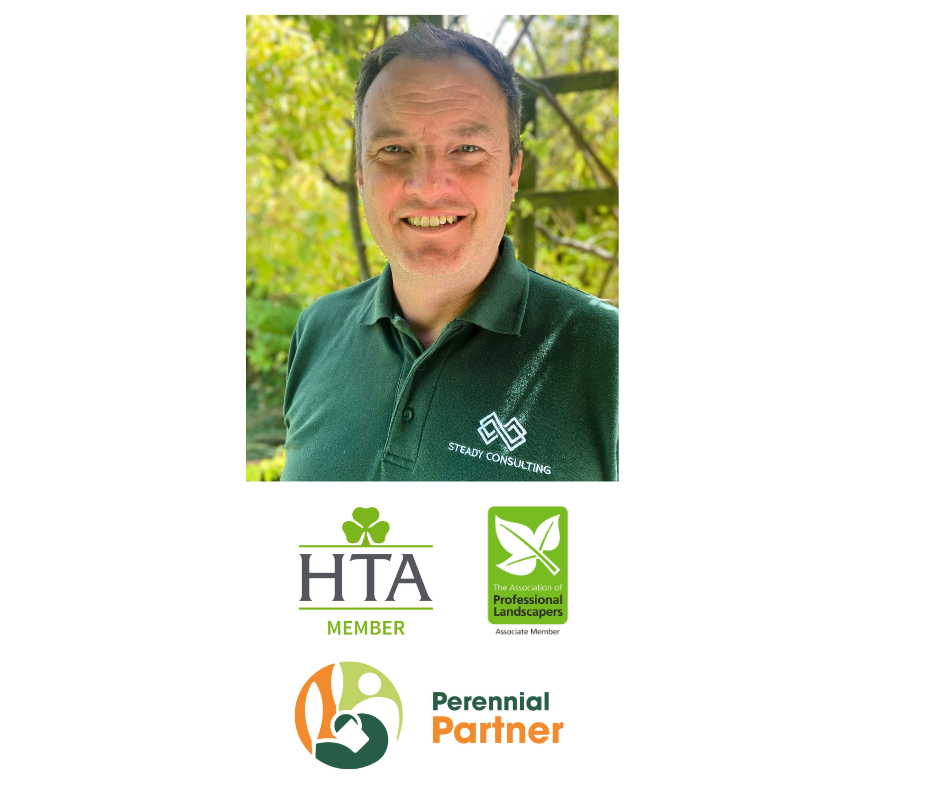
Neil is an accomplished Business Consultant & Coach with three decades of experience at one of the UK's most respected and trusted brands. In 2021, he founded Steady Consulting to help small business owners build stronger, more sustainable companies that work for their customers, employees, and themselves.
Focusing his expertise within the horticulture and landscaping industry, Neil provides practical guidance, strategic advice, and dedicated support. He is also a judge at the Pro Landscaper Business Awards, and will be speaking at Futurescape this month.